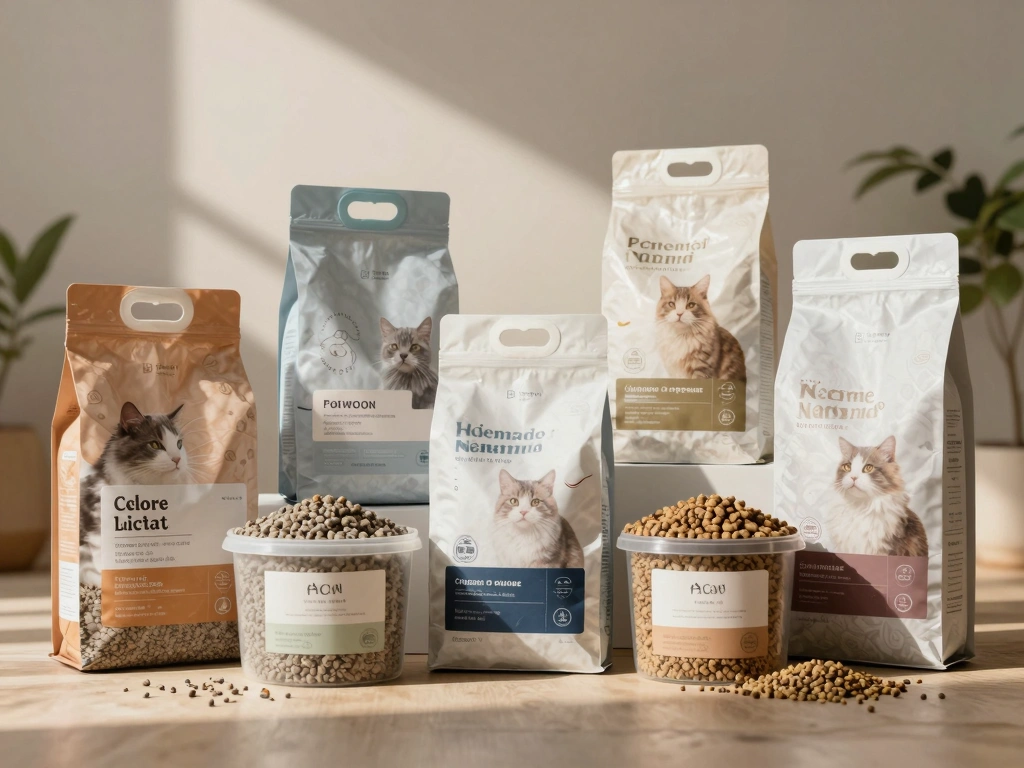
Understanding the Base Materials of Cat Litter
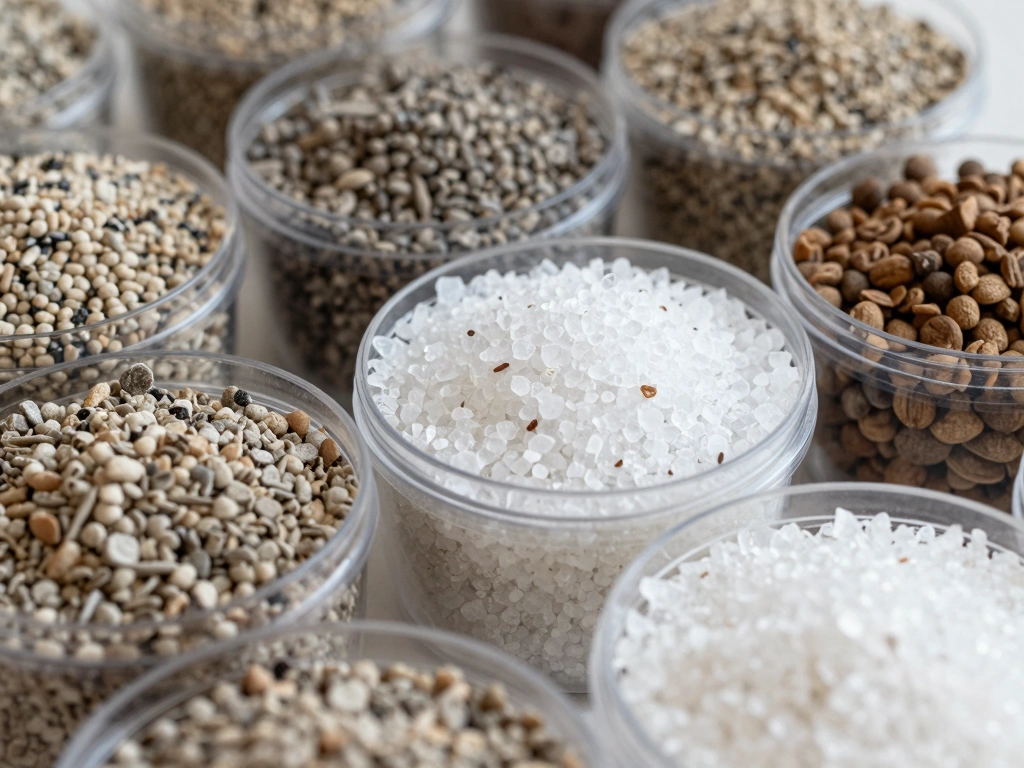
When it comes to choosing cat litter, pet owners often find themselves overwhelmed by the variety of options available. Beyond the marketing claims and packaging, the actual chemical composition of these products plays a crucial role in performance, safety, and environmental impact. This article delves deeply into how different cat litter brands vary chemically, focusing on their base materials and formulation specifics.
Clay-Based Litters: Types and Chemical Composition
Clay-based litters are some of the most common types available on the market. These litters are primarily made from natural clay, which is composed mainly of minerals such as sodium bentonite, kaolin, and attapulgite.
- Sodium Bentonite: This is the most popular clay used in clumping litters. Its unique property of swelling when wet allows it to form solid clumps, making waste removal easier. Chemically, it is a type of montmorillonite clay that consists of silicate sheets, which contribute to its absorbent qualities.
- Kaolin: Often found in non-clumping litters, kaolin is a clay mineral that is less absorbent than sodium bentonite. It is mainly composed of alumina and silica and has a more granular texture.
- Attapulgite: This clay is known for its absorbent properties and is often used in litters that also require odor control. Chemically, it consists of magnesium, aluminum, and silica, contributing to its ability to absorb moisture.
Each type of clay has distinct physical and chemical properties that affect its performance as a cat litter. For example, sodium bentonite's swelling ability is a significant factor in its clumping performance, while kaolin's lack of clumping makes it less desirable for some consumers.
Biodegradable Litters: Plant-Based Ingredients
In contrast to clay-based options, biodegradable litters are made from organic materials such as corn, wheat, and recycled paper. The chemical makeup of these litters varies significantly from their clay counterparts.
- Corn-Based Litters: These are made from ground corn kernels and are often treated with natural enzymes to enhance odor control. The primary chemical components include starch and cellulose, which provide clumping abilities and absorb moisture.
- Wheat-Based Litters: Similar to corn, wheat litters utilize the starch from wheat grains and often include natural antimicrobial properties due to the presence of compounds like aliphatic amines.
- Pine or Cedar Litters: Made from reclaimed wood materials, these litters contain aromatic compounds such as terpenes, which can help naturally mask odors while offering antibacterial properties.
These biodegradable options are increasingly popular due to their environmental benefits, but it's essential to understand their chemical properties to choose the best one for your cat.
Crystal Litters: Composition and Mechanisms
Crystal litters are typically made from silica gel, which is a porous form of silicon dioxide. The chemical composition of silica gel allows it to absorb moisture effectively, making it an excellent option for odor control.
- Silica Gel: This compound consists of a network of silicon and oxygen atoms, forming a structure that can trap moisture and odors. Unlike clay-based litters, silica gel does not clump but instead absorbs liquid, which is then contained within the crystals.
The use of crystal litter provides a unique chemical mechanism for moisture management that contrasts with traditional clumping litters. This property allows for longer-lasting performance, as silica can absorb moisture without the need for constant replacement.
The Role of Additives in Cat Litter Formulations
In addition to their base materials, many cat litters include chemical additives to enhance performance, improve safety, and manage odors. Understanding these additives can help consumers make informed choices.
Odor Control: Chemical Agents Used
Odor control is a significant factor in the selection of cat litter. Many brands incorporate a variety of chemical agents to neutralize unpleasant smells:
- Activated Charcoal: Often added to various litters, activated charcoal is known for its adsorption properties, capturing odors and moisture. The porous structure of charcoal provides a large surface area for trapping volatile compounds.
- Fragrance Additives: Many litters contain synthetic or natural fragrances that mask odors. While these can be effective, they may also irritate sensitive cats or humans.
- Zeolites: These naturally occurring minerals can absorb odors and moisture. Their unique chemical structure allows them to trap ammonia and other odor-causing compounds.
Each of these odor control agents has different chemical properties that can affect both the effectiveness of the litter and the health of your cat.
Clumping Mechanisms: How They Work Chemically
The clumping ability of cat litter is primarily due to the chemical interactions within its components. Here’s how different types achieve this:
- Sodium Bentonite: As mentioned earlier, this clay expands when wet, creating a gel-like structure that forms solid clumps. The interaction of water with the clay’s particles is a physical-chemical process that helps the litter maintain its shape.
- Corn and Wheat Litters: These plant-based litters utilize starches that gelatinize when exposed to moisture, creating a clumping effect. The chemical transformation of starch into a gel-like substance enhances clumping ability.
Understanding these mechanisms can help consumers select litters that best meet their needs for clumping and ease of cleaning.
Antimicrobial Additives: Safety and Effectiveness
Some brands incorporate antimicrobial agents to reduce the growth of bacteria in cat litter. Common additives include:
- Triclosan: A widely used antimicrobial agent, triclosan is effective against a range of bacteria. However, it has raised safety concerns due to potential health risks and environmental impact.
- Natural Antimicrobials: Many eco-friendly litters use plant extracts such as oregano or thyme, which possess natural antimicrobial properties. These alternatives are often perceived as safer for both cats and the environment.
Evaluating the safety and effectiveness of these additives is crucial for pet owners concerned about the health implications for their pets.
Environmental Impact of Chemical Components
As consumers become more environmentally conscious, the chemical components of cat litter are under scrutiny regarding their impact on sustainability and safety.
Biodegradability of Different Chemical Formulations
Biodegradability varies significantly among cat litter types:
- Clay-Based Litters: Traditional clay litters are not biodegradable. The extraction and processing of clay can also lead to environmental degradation.
- Biodegradable Litters: Plant-based litters are designed to break down naturally, typically within a few months when composted. Their ingredients are derived from renewable resources, which contributes to a lower environmental footprint.
- Crystal Litters: Silica gel is not biodegradable and can persist in the environment for many years, raising concerns about its ecological impact.
Understanding the biodegradability of different litters is essential for consumers looking to minimize their ecological footprint.
Toxicity Concerns: What to Watch Out For
Some chemical components in cat litter can pose toxicity risks:
- Sodium Bentonite: While generally regarded as safe, inhalation of fine dust particles can cause respiratory issues in both cats and humans.
- Fragrances and Additives: Some synthetic fragrances and chemicals may trigger allergies or sensitivities in pets. Consumers should be cautious and consider unscented options if their cats have known sensitivities.
- Triclosan and Other Antimicrobials: The long-term effects of these chemicals are still being studied, and their potential to contribute to antibiotic resistance is a growing concern.
Being aware of toxicity concerns can help consumers make safer choices for their pets and families.
Recycling and Disposal: Chemical Considerations
The disposal methods for different cat litters also vary based on their chemical makeup:
- Clay Litters: These are often not recyclable and typically end up in landfills, contributing to waste.
- Biodegradable Litters: Many of these litters can be composted, offering an environmentally friendly disposal method that returns nutrients back to the soil.
- Crystal Litters: Disposal of silica gel can be complicated as it is not biodegradable, and proper disposal methods should be followed to minimize environmental impact.
Understanding the disposal options for each litter type can help consumers make more responsible choices.
Comparative Analysis of Performance Based on Chemical Properties
Performance in cat litter is not only about how well it absorbs moisture or controls odors; it is also deeply rooted in its chemical properties. Here, we analyze how these properties affect performance in practical terms.
Absorption Rates: How Chemistry Affects Performance
Absorption rates vary significantly among different types of litter:
- Clay-Based Litters: Sodium bentonite boasts high absorption capabilities, often around 300% of its weight in moisture, making it highly effective for odor control and clumping.
- Biodegradable Litters: Corn and wheat litters typically have lower absorption rates, around 150-200% of their weight, but they often compensate with their natural clumping ability.
- Crystal Litters: Silica gel can absorb nearly 40% of its weight in moisture, but it does so through a different mechanism that prevents clumping.
These differences can significantly affect the user experience and the frequency of litter changes required.
Dust Production: Chemical Factors at Play
Dust production is another factor influenced by the chemical composition of cat litter:
- Clay Litters: Many clay litters produce fine dust particles, particularly those made from sodium bentonite. This dust can be problematic for both cats and humans, potentially causing respiratory issues.
- Biodegradable Litters: These tend to produce less dust overall, especially those made from compressed materials such as corn or wheat.
- Crystal Litters: Silica gel is typically low in dust production, making it a favorable option for users concerned about respiratory health.
Choosing a low-dust option can significantly impact the litter box experience for both pets and humans.
Longevity and Maintenance: Chemical Degradation Over Time
The chemical stability of cat litter affects its longevity and how often it needs to be replaced:
- Clay-Based Litters: High-quality clumping litters can maintain their effectiveness for weeks, depending on the number of cats and the litter box's maintenance.
- Biodegradable Litters: These typically have a shorter lifespan due to their organic materials, which can degrade faster and may need to be changed more frequently.
- Crystal Litters: Silica gel can last up to a month without needing replacement, as it does not clump but absorbs moisture effectively.
This longevity can impact overall cost and convenience for cat owners.
Consumer Preferences and Chemical Awareness
As awareness of the chemical components of products increases, consumers are becoming more discerning regarding their choices in cat litter. This section explores consumer trends and preferences based on chemical awareness.
Label Reading: Understanding Chemical Ingredients
With a rise in consumer awareness about chemicals, understanding how to read labels has become essential:
- Ingredient Lists: Consumers should look for transparent ingredient lists that specify the type of clay or plant material used.
- Safety Certifications: Products that have been certified by reputable health and safety organizations can provide assurance about the safety of their chemical components.
- Environmental Claims: Claims about biodegradability or eco-friendliness should be substantiated with evidence and certifications.
Educated consumers can make better choices by understanding the chemical ingredients listed on cat litter packaging.
Trends in Eco-Friendly Options: Chemical Innovations
As environmental concerns grow, many companies are innovating to create eco-friendly litter options:
- Plant-Based Innovations: New technologies are emerging to enhance the performance of biodegradable litters, making them more competitive with traditional clay options.
- Natural Additives: Many brands are incorporating natural additives that enhance odor control or clumping without harmful chemicals.
These trends reflect a growing demand for environmentally responsible products that do not compromise on performance.
Impact of Marketing on Perceptions of Chemical Safety
Marketing strategies can significantly influence consumer perceptions about the safety of chemical components:
- Natural Labels: Products labeled as “natural” or “organic” can create a perception of safety, but consumers should investigate the actual chemical formulations.
- Testimonials and Endorsements: Brands that feature veterinarian endorsements or customer testimonials may evoke trust, but it's crucial to evaluate the scientific basis behind these claims.
Understanding the marketing language can help consumers navigate their choices more effectively and make informed decisions based on chemical safety.